
Mild steel, also referred to as low-carbon steel, is a carbon steel containing a very small amount of carbon. It typically holds approximately 0. 05% to 0. 25% carbon by weight. This makes it more flexible and elastic when compared to higher carbon steels. For these reasons, it is easily mouldable and thus very useful in many industries and other areas as well.
Its use can be dated back to the 19th century. Specifically, in the time of the Industrial Revolution, its production increased dramatically due to the material’s flexibility and cost-efficiency. It has since become a norm in construction, manufacturing, and other sectors across Singapore due to its versatility. They are easy to manufacture and can be made into various forms and used in many applications, thus becoming one of the vital materials used in the current world of engineering.
Essential in Various Industries
The use of this sheet is very vital in various industries. It is widely used in construction projects as the main element in the construction of buildings and bridges, for instance. It is also used in the automotive industry for building car bodies and other automobile structures. Likewise, when formed for structural frameworks, a steel beam provides reliable strength alongside malleable fabrication.
- Cost-effective: When compared to other steel types, it is more reasonably priced and easily accessible. This makes it an affordable choice for a range of tasks.
- Malleable: The low carbon concentration makes shaping, bending, and fabricating simple, as previously indicated. It is ideal for intricate designs because of its versatility.
- Durable: Buildings have a considerable endurance limit when properly maintained, guaranteeing long-term functionality.
- Weldable: It is easily joined using a variety of welding methods, resulting in dependable and robust connections.
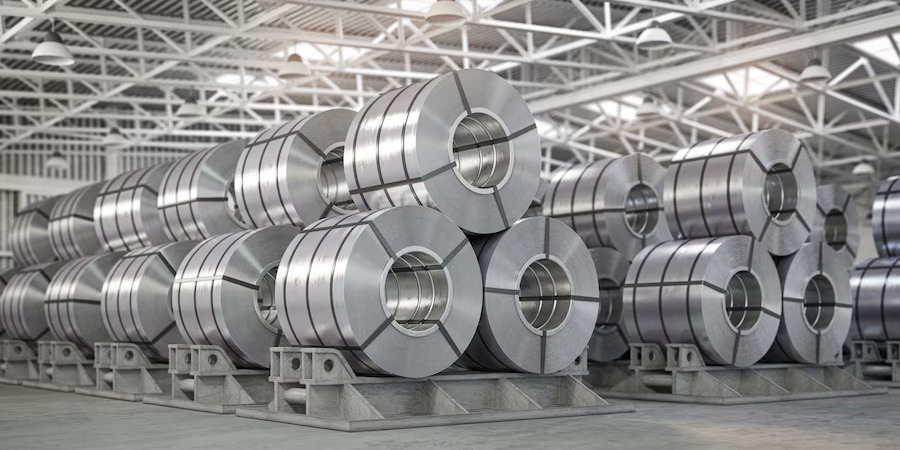
Chemical Composition of Mild Steel
|
Elements composition
|
Carbon content
|
Alloying elements
|
|---|---|---|
|
Low-carbon steel is made up of iron and small portions of carbon and other alloying elements. The measure which makes it different from other materials is its low carbon content. Other chemical components that may be included in the substance include manganese, silicon and small amounts of other metals. They can also affect the properties of the steel. |
It is the type of steel that contains a lesser amount of carbon compared to other types of steel; this makes it easy to weld and bend. This low carbon percentage tends to make the steel not harden very much when it is undergoing heat treatments. Therefore, it retains its softness and ductile nature, which is important in areas where a material needs to be malleable rather than hard. |
It frequently has elements like silicon and manganese added to it. Hardness and toughness are enhanced by manganese without sacrificing ductility. Strength and hardness are improved by silicon. These modifications enable it to be customised for certain uses without significantly changing its essential properties. |
Mechanical Properties of Mild Steel
Physical Properties of Mild Steel

Density and specific gravity
The density of mild steel is around 7.85 g/cm³. Although it is heavier than certain materials due to its density, it offers the strength required for structural purposes. Its specific gravity is also around 7.85.

Thermal conductivity
Its thermal conductivity is around 50 W/m·K, which means the material conducts heat well. This makes it useful in applications that require heat transfer, such as heat exchangers and radiators.

Electrical conductivity
Although it is not as conductive as copper or aluminium, it has reasonably good electrical conductivity. This property makes it suitable for applications that do not require high electrical conductivity, such as structural parts of electrical boxes.
Advantages of Using Mild Steel
Cost-effectiveness in production
It costs less in terms of production when compared with high carbon as well as alloy steels. This makes it affordable and suitable for large-scale projects. It can be used in numerous industries since it is cheap yet does not lack the necessary strength and flexibility that is needed for any construction.
Versatility in fabrication
Its properties of ductility and malleability make it possible to shape the material into different geometric forms and dimensions. Further, it can be welded, cut, and drilled easily. Due to this flexibility of use, it can be applied in various industries, including construction and the automotive industry.
Durability and longevity
It has significant durability. It can tolerate wear and tear over time and can easily last for many years without deteriorating, making it suitable for structures and products that are required to have a longer lifespan. Its durability and extreme resistance to unfavourable conditions that do not affect its functionality explain why it is widely used in challenging situations.
Applications of Mild Steel
Construction and infrastructure
In Singapore’s construction, particularly in civil engineering, it is used in making beams, columns and reinforcing bars. Due to its high tensile strength, it is best suited for use in structures with major frameworks which must carry heavy loads. The correct mild steel beam should be selected according to the required load capacity, span and structural design.
Automotive industry
The most common type of structural steel applied in the automotive industry is mild steel, which is commonly used in the manufacturing of vehicle bodies, chassis and engine parts. Safety and durability come from its strength and impact resistance characteristic of it. Further, affordability helps these manufacturers to make their vehicles at the lowest prices possible.
Manufacturing and engineering
It is very vital in the production of machinery, tools and equipment, among other things. Since it is fairly simple to fabricate and repair, it is suitable for so many engineering applications. It has no counterpart when it comes to the range of applicability, from small machine parts to industrial equipment. Selecting suitable mild steel plate sizes helps optimise material efficiency, simplify structural processing, and prevent unnecessary project waste.
Environmental Impact and Sustainability
Recyclability and reusability
It is 100% recyclable, which significantly reduces its environmental impact. Recycled steel retains the properties of new steel, making it a sustainable choice. The ability to recycle and reuse steel helps conserve natural resources and reduces waste.
Energy efficiency in production
Producing it requires less energy compared to other types of steel. Advances in production techniques have further enhanced its energy efficiency. This reduction in energy consumption helps lower greenhouse gas emissions, making it a more environmentally friendly option.
Eco-friendly disposal practices
Eco-friendly disposal practices ensure that its waste is managed responsibly. By recycling and reusing steel products, the environmental footprint is minimised. This commitment to sustainability helps promote a greener and cleaner environment.
Frequently Asked Questions
Contact us now to discuss your project needs and discover how our high-quality steel solutions can benefit you. Our team is ready to assist with any inquiries and provide detailed information on our products and services. Choose Chuan Leong for reliable, durable, and cost-effective mild steel solutions tailored to your requirements.