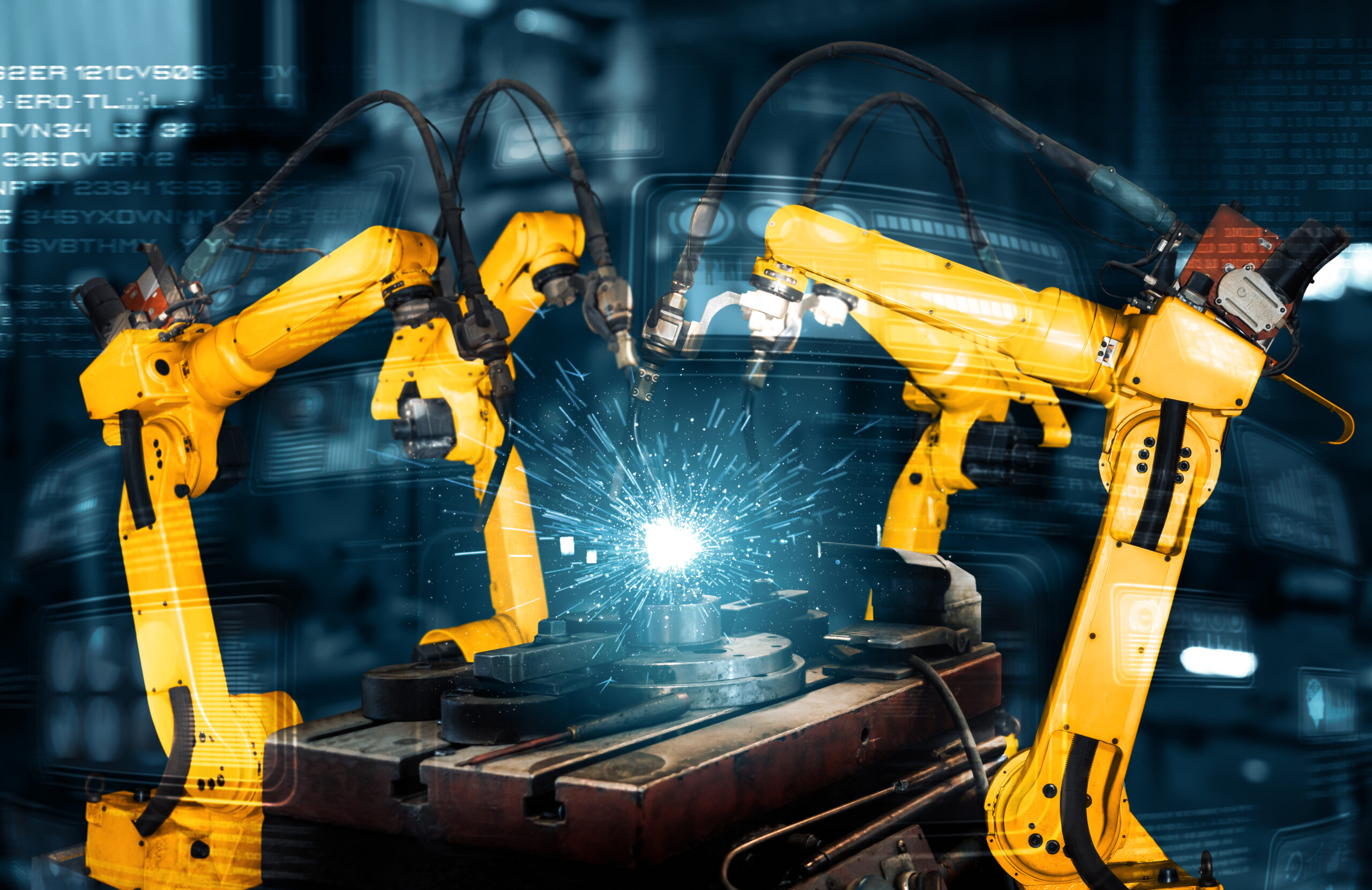
In every busy factory, efficiency is a constant goal. As machinery evolves and tasks grow more complex, factories must adapt to keep pace. Leading this transformation is a remarkable tool the robotic welder. This intelligent assistant enhances both the speed and precision of factory operations.
Earlier, factories often slowed down to stay accurate. But now, these robots fix that problem. Robotic welders move quickly, weld neatly, and cut down errors. Because of this, they change how factories build things every single day. Their smooth actions accelerate progress while reducing effort for people on the floor.
What Robotic Welders Actually Do?
Robotic welders perform tasks that were once done manually, moving along precise paths to fuse metals flawlessly. Unlike humans, they do not tire or lose focus, allowing them to maintain consistency and repeat each weld with exceptional accuracy.
They:
- Glide with steady arms across seams
- Fix metal parts tightly and smoothly
- Handle tricky angles without wobbling
Robotic welders can also adapt to subtle changes during their work. If something shifts, they detect it quickly and adjust before errors occur. In this way, they don’t just weld—they carry out each task with precision and seamless efficiency.
How They Speed Up the Line?
Factories need to move fast, while also doing things right. Robotic welders operate continuously without pauses or rest. They engage directly in tasks and maintain their workflow.
Here’s how robotic welders ramp up speed:
- They leap into jobs with little setup
- They shift quickly from one part to the next
- They shrink delays and trim idle time
This steady flow keeps factories on track, even when orders pile up. With fewer slowdowns, teams reach their goals faster and handle more work without stress. As a result, output rises while workers avoid rushing or falling behind.
Making Accuracy a Daily Habit
Welding by hand can appear precise, but small errors often slip through, and a single shaky weld can compromise an entire part. Robotic welders prevent this by following every line with exacting care, never straying from the intended mark.
They:
- Scan gaps with sensors
- Lock onto the right angle
- Adjust their path as they go
Thanks to their precision, robotic welders create flawless welds that remain strong and reliable. They ensure every project stays neat and consistent from start to finish. When paired with skilled workers, they enhance the overall quality of every piece that passes through the production line.
Cutting Down Mistakes and Rework
Welding mistakes can consume time and resources. If a joint fails, the team must discard it and start anew. Robotic welders identify issues early and correct them on the spot.
They:
- Notice when things are not going as expected
- Catch issues before they grow
- Correct movements as they weld
By doing this, they slash waste and save time. Teams don’t chase fixes—they move ahead with the job. Even better, they build stronger trust in every weld because the robot follows through exactly as planned.
Keeping Workers Safe and Focused
Welding produces sparks, heat, and smoke, and working in tight spaces can be hazardous. Robotic welders help reduce these risks by handling the intense conditions while workers remain in a safe area, overseeing the process.
These machines:
- Tackle the hot, hard spots
- Let humans steer the plan
- Free up time for checks and quality tasks
With robotic welders in place, workers can concentrate on planning, monitoring tasks, and making smarter decisions. They stay clear of hazardous areas while taking pride in the consistent, precise work delivered by their robotic partner.
Easy Tools Make Big Changes
Old welding tools needed long hours to learn. Robotic welders work differently. They use screens, taps, and drag-to-teach tricks. Even new users can guide them with ease.
They:
- Follow hand-guided moves
- Learn paths with a tap
- Shift jobs without delay
Some welders even remember past jobs and reuse them. This memory helps teams get started faster next time. With simple steps, anyone on the team can direct these welders. This unlocks faster starts and smoother flow across tasks.
Smarter Welding With Vision Sensors
Some robotic welders now feature “eyes”, advanced sensors that scan as they move. These sensors guide their arms, measure distances, and precisely steer the weld along its path.
These robots:
- Spot uneven edges and fix them
- Watch for wrong fits
- Trace welds in seconds
They also respond quickly when something changes. Instead of stopping, they adapt. As a result, they avoid slowdowns. They solve problems before they grow and keep going strong without backtracking. Each weld remains firm and steady.
Welding Big and Small Projects?
Robotic welders are versatile, handling everything from small components to long steel beams. On large structures, they move along beams, weld in inverted positions, and use magnets to secure themselves for precise work.
They:
- Twist and turn to reach all spots
- Move across flat, curved, or tall surfaces
- Handle light or heavy-duty welding
Whether fixing frames or finishing full builds, they handle it all. That makes them helpful not just in one place, but across every area of the factory floor.
Performance Snapshot: Welders Compared
Let’s compare robotic welders with human welders in five key areas. The table below makes this easy to see.
Before you view it, remember: both play roles in factories. But robotic welders bring speed and steady flow where it counts most.
| Area | Human Welder | Robotic Welder |
|---|---|---|
| Speed | Slows over time | Moves steadily nonstop |
| Accuracy | Depends on skill | Stays exact each time |
| Tiredness | Rises with hours | None |
| Safety | Faces heat and fumes | Avoids danger zones |
| Setup Time | Medium | Quick and repeatable |
This shows how robotic welders carry more weight in speed, safety, and accuracy.
Joining the Smart Factory World
Factories today run smarter than ever. Machines talk to each other. Plans shift quickly. Robotic welders fit into this new world with ease.
These welders:
- Store job paths for fast reuse
- Share data with other tools
- Track how each weld performs
When they link with factory systems, they help the whole line stay sharp. Their logs and updates help teams spot patterns, improve plans, and stay one step ahead. With each task, they grow smarter and more helpful.
Conclusion
Every factory wants to move fast and stay sharp. In the past, speed and accuracy didn’t work well together. But now, robotic welders bring both. They weld, glide, adjust, and sense—all at once.
By joining human skill with machine flow, these welders change how jobs get done. They slice errors, boost safety, and give teams more time. Thanks to their smooth work, factories now build better, faster, and stronger.