Many people confuse pipes, tubes and hollow sections because they look similar from the outside. Still, each product serves a different role in construction, manufacturing and engineering work. A Steel Pipe mainly carries water, gas, oil and other materials through a closed system. In contrast, hollow sections and tubes support structures, frames and mechanical parts. When builders understand these differences, they can choose materials that suit the project and improve long-term performance.
Across modern industries, steel products shape factories, bridges, homes and transport systems. Engineers value steel because it offers strength, durability and flexibility. At the same time, project managers seek products that handle pressure, weather and heavy use without damage. This growing demand pushes suppliers and manufacturers to produce steel products in many sizes, shapes and grades.
What Makes Steel Pipes Different?
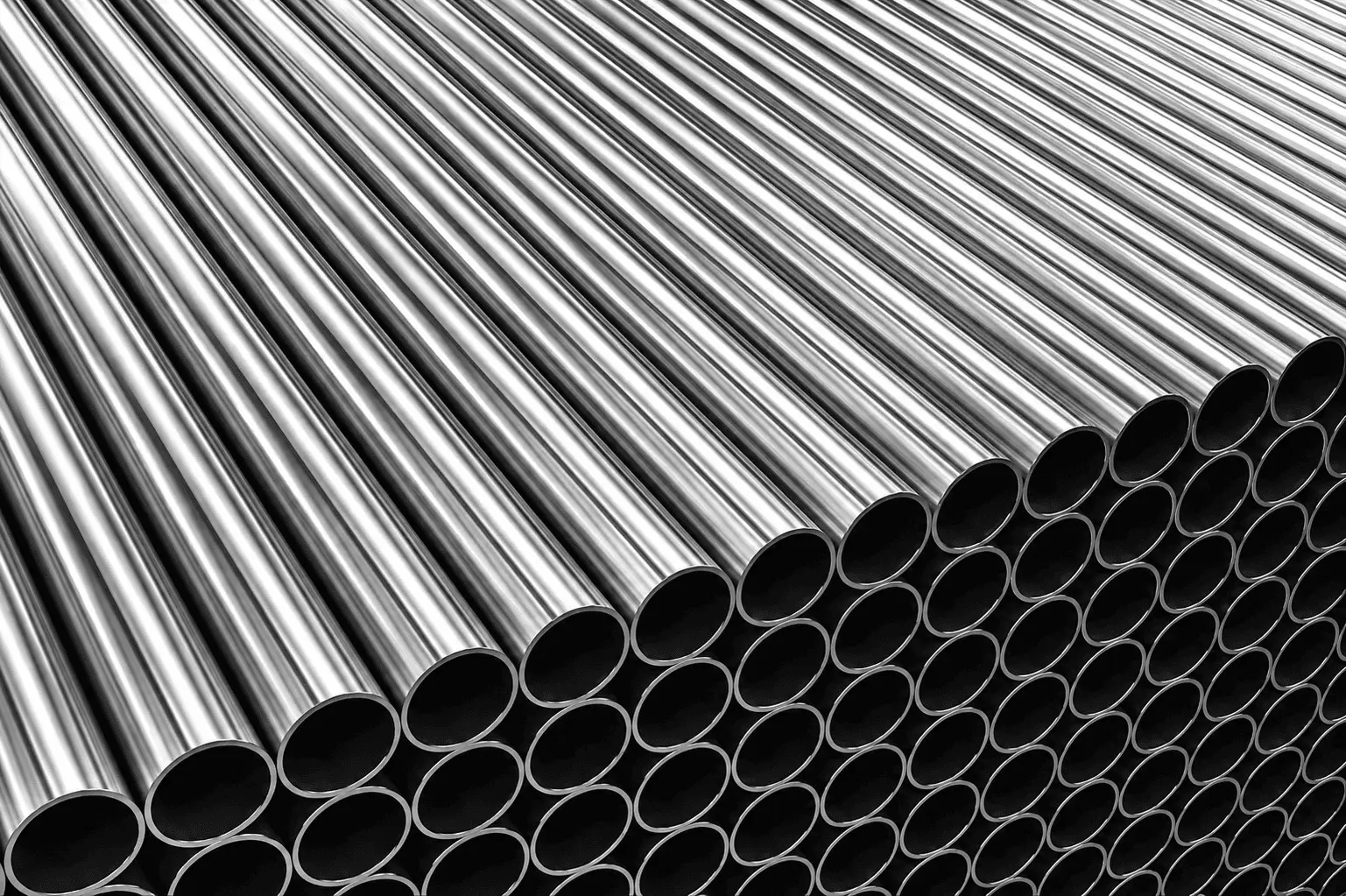
Steel pipes focus on fluid movement. Their round shape allows water, gas, steam and chemicals to flow through the system with less resistance. Because of this design, industries rely on pipes for smooth and safe transport.
Manufacturers create pipes with thick walls so they can handle pressure and heat. In many industrial sites, pipes work in difficult conditions every day. Workers install them underground, inside buildings and across large industrial plants.
Common uses of steel pipes include:
- Water supply systems
- Oil and gas transport
- Fire protection systems
- Chemical processing plants
- Heating and cooling systems
Many contractors search for reliable steel pipe in Singapore products because these materials support both commercial and industrial projects with strong performance.
Hollow Sections: A Brief Intro
Hollow sections contain an empty centre like pipes, yet they serve a very different purpose. Builders mainly use them in structural work instead of transport systems. These products appear in square, rectangular and circular forms.
Construction teams favour hollow sections because they balance strength with weight. Their shape spreads force across the structure and helps buildings remain stable. At the same time, the smooth surface creates a clean and modern appearance.
Hollow sections support many types of structures. Builders use them in warehouses, stadiums, bridges, railings and large commercial buildings. Since these products offer excellent support, they help architects design open spaces with fewer heavy columns.
Hollow sections provide several key benefits:
- Strong load support
- Better space efficiency
- Clean appearance
- Simple fabrication
- Reliable structural stability
These features make hollow sections popular in both indoor and outdoor construction projects.
What Are Steel Tubes?
Steel tubes share similarities with pipes, yet their purpose differs. Manufacturers produce tubes for structural and mechanical applications where accuracy matters most. Tubes come in round, square and rectangular shapes, depending on the project needs.
Unlike pipes, tubes require tighter measurements and smoother finishes. Industries choose them for products that demand precision and consistency. Many machines, vehicles and furniture systems depend on steel tubes for strength and balance.
In some projects, a mild steel pipe may also support fabrication work because it bends, cuts and welds with ease. This flexibility allows workers to shape the material without major difficulty.
Industries often use steel tubes in:
- Furniture frames
- Automotive parts
- Bicycle structures
- Machinery systems
- Agricultural equipment
Because of their clean finish and precise sizing, tubes suit projects where appearance and accuracy carry equal importance.
Key Differences Between Pipes, Hollow Sections and Tubes
Although these steel products may appear alike, their design, measurement and function separate them clearly. Understanding these differences helps builders avoid poor material choices and costly repairs.
Shape and Structure
Pipes usually feature a round shape because round surfaces support fluid flow more effectively. Hollow sections and tubes, however, come in many shapes to support structural and mechanical needs.
Measurement Standards
Manufacturers measure pipes by inner diameter because flow capacity matters most. Tubes rely on outer diameter measurements since precision shapes the final performance.
Main Purpose
Pipes move liquids and gases through closed systems. Hollow sections support buildings and heavy structures. Tubes assist mechanical and fabrication work where accuracy remains important.
Strength and Precision
Hollow sections focus on structural strength, while tubes deliver tighter tolerances and cleaner finishes.
Materials Used in Steel Products
Manufacturers produce pipes, tubes and hollow sections from several steel grades. Each material offers different benefits based on the project environment and usage.
Carbon Steel
Carbon steel delivers high strength and durability. Many industries use it for construction and industrial systems because it performs well under pressure.
Stainless Steel
Stainless steel resists rust and corrosion. This material suits marine areas, food processing plants and medical facilities where cleanliness matters.
Mild Steel
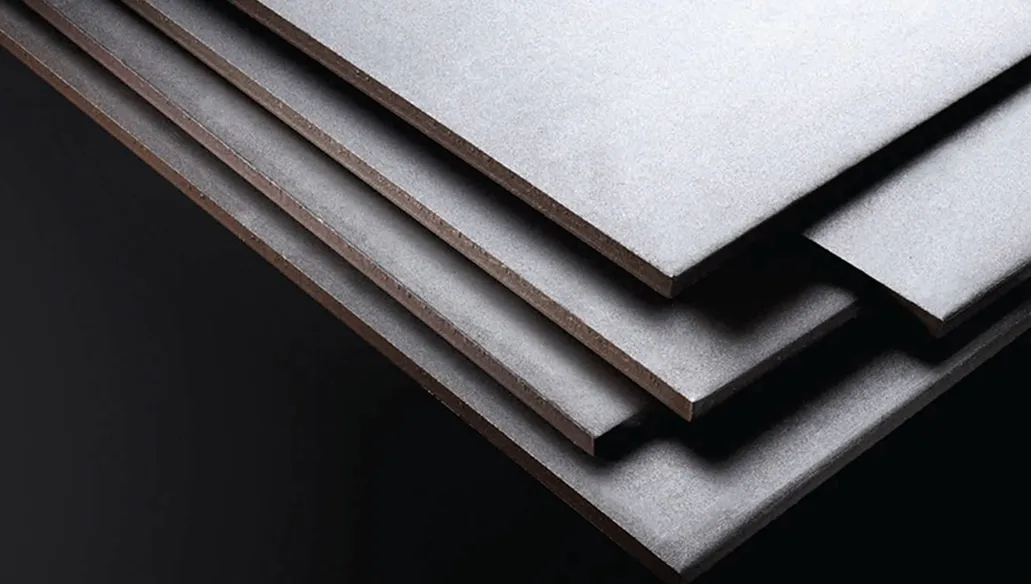
A mild steel pipe remains popular in fabrication and structural work because workers can shape and weld it with little effort. Its lower cost also attracts builders who manage large projects with fixed budgets.
How Manufacturers Produce These Steel Products
Production methods also shape the final quality and strength of steel materials. Manufacturers choose different processes based on the product application.
Seamless Production
Manufacturers create seamless products without welded joints. This process increases strength and helps the product withstand higher pressure.
Welded Production
Welded products form when steel sheets bend into shape and join along the edges. This method lowers production costs and supports many commercial applications.
A trusted steel pipes manufacturer usually offers both seamless and welded products to meet different industry demands.
Choosing the Right Steel Product
Every project requires careful material selection. Builders, engineers and buyers must examine the working environment, pressure level and structural needs before making a choice.
Pipes suit projects that transport fluids under pressure. Hollow sections support heavy structures and modern architectural designs. Tubes perform best in projects that require exact measurements and clean finishes.
When buyers select the correct product, they improve safety, reduce maintenance and extend the life of the structure or system.
Important factors to consider include:
- Strength requirements
- Pressure levels
- Environmental conditions
- Surface finish needs
- Fabrication requirements
Many construction firms depend on a reliable steel pipe supplier Singapore to secure products that match project specifications and industry standards.
Why Steel Products Remain Popular
Steel continues to shape modern industries because it offers durability, flexibility and long service life. Builders trust steel products because they resist wear and support heavy loads without damage.
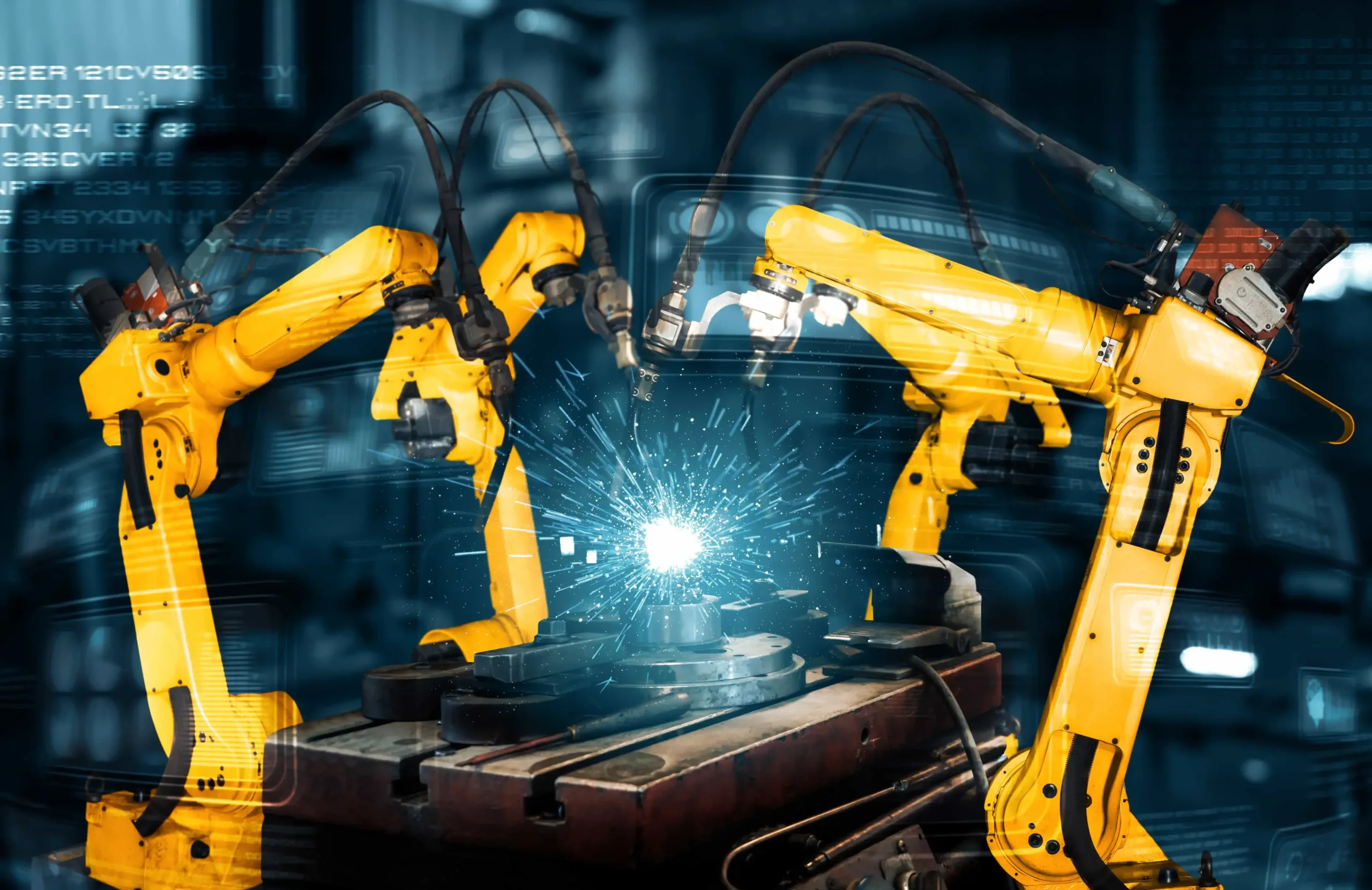
At the same time, steel products allow faster fabrication and installation. Workers can cut, weld and shape them with standard tools, which helps projects move forward without delays.
Modern industries also value steel because it supports recycling and sustainable construction methods. Manufacturers now improve production systems to reduce waste and energy use while maintaining product quality.
In growing industrial markets, steel pipe in Singapore products continue to support large infrastructure projects, manufacturing plants and commercial developments.
The Role of Trusted Manufacturers and Suppliers
Quality steel products protect structures, workers and industrial systems. Because of this, buyers should work with experienced suppliers and manufacturers who follow proper production standards.
A dependable steel pipes manufacturer provides products with accurate dimensions, strong materials and reliable performance. Good suppliers also help buyers choose suitable products for specific projects and environments.
Strong supplier relationships often improve delivery speed, product availability and technical support. These advantages help projects stay on schedule and reduce unexpected problems during installation.
Conclusion
Pipes, hollow sections and tubes may look similar, yet each product serves a unique purpose. A steel pipe works best for transporting liquids and gases through pressure systems. Hollow sections strengthen buildings and structural frameworks, while tubes support mechanical and fabrication projects that require precision.
Builders who comprehend these distinctions will choose building materials which enhance safety standards and create durable structures with better overall performance. The selection process for products needs to be precise because it helps businesses lower their maintenance expenses while they get extended usage from their industrial equipment and building structures. The steel product market will continue to drive construction, manufacturing, transportation and engineering operations because these industries show ongoing growth.