Ships face fierce waves, heavy cargo and salty air every day. Builders must choose materials that stand firm through all of it. A strong steel plate forms the backbone of any vessel. It holds the hull together, supports the deck and shields the structure from damage. When steel fails, the whole ship suffers. That is why material choice shapes the life of the vessel from the very first stage of construction.
In this guide, you will learn which steel plates suit marine work, how they perform in harsh waters and why EH36 steel often leads the field for demanding ship and offshore projects.
Why Steel Plates Matter in Shipbuilding
Steel plates carry the weight of the ship and its cargo. They fight against water pressure and resist the force of waves. If builders choose weak steel, cracks form and rust spreads. Strong marine steel protects the vessel and keeps people safe at sea.
Shipbuilders look for several key qualities when they select marine steel:
- High strength to carry heavy loads
- Toughness to absorb impact
- Resistance to saltwater corrosion
- Good weldability for strong joints
- Long service life in harsh weather
A reliable plate keeps the ship stable during long voyages. It also reduces repair work and helps the vessel meet strict safety rules. Marine engineers test steel under tough conditions before they approve it for use. These tests confirm that the steel can handle pressure, cold water and repeated stress without losing strength.
When builders match the right steel to the job, they create ships that sail with confidence across oceans and through storms.
Types of Steel Plates Used in Marine Projects
Marine construction covers many areas, from cargo ships to offshore platforms. Each project demands a specific type of steel plate. Builders select grades based on strength, thickness and exposure to weather.
Marine Plates
Marine plates suit general water-based projects. They provide steady strength and fair resistance to corrosion. Builders often use them in small vessels, barges and harbour structures. These plates work well in calm waters and moderate climates.
Shipbuilding Plates
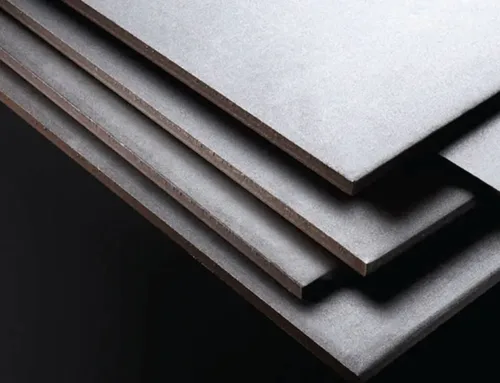
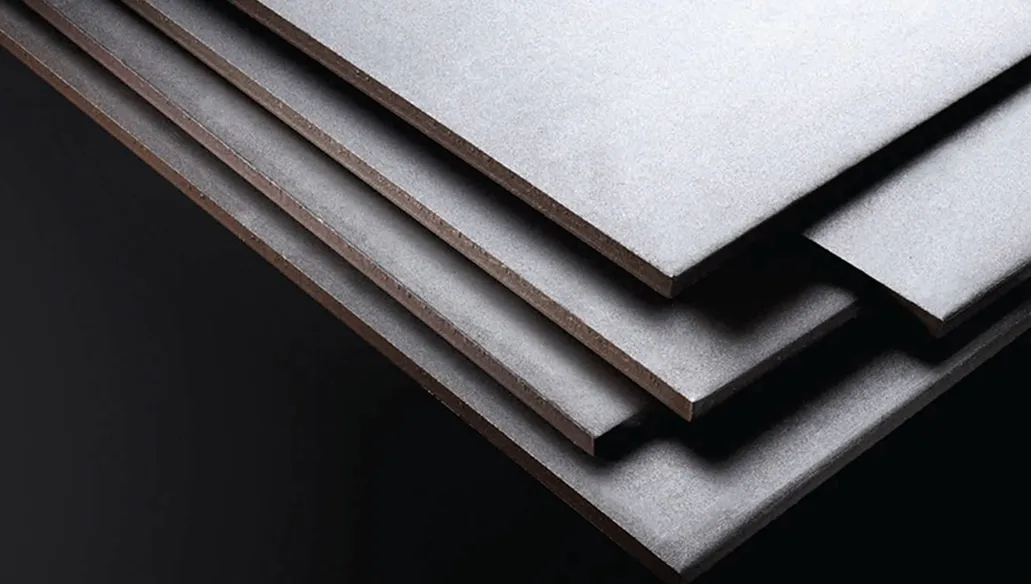
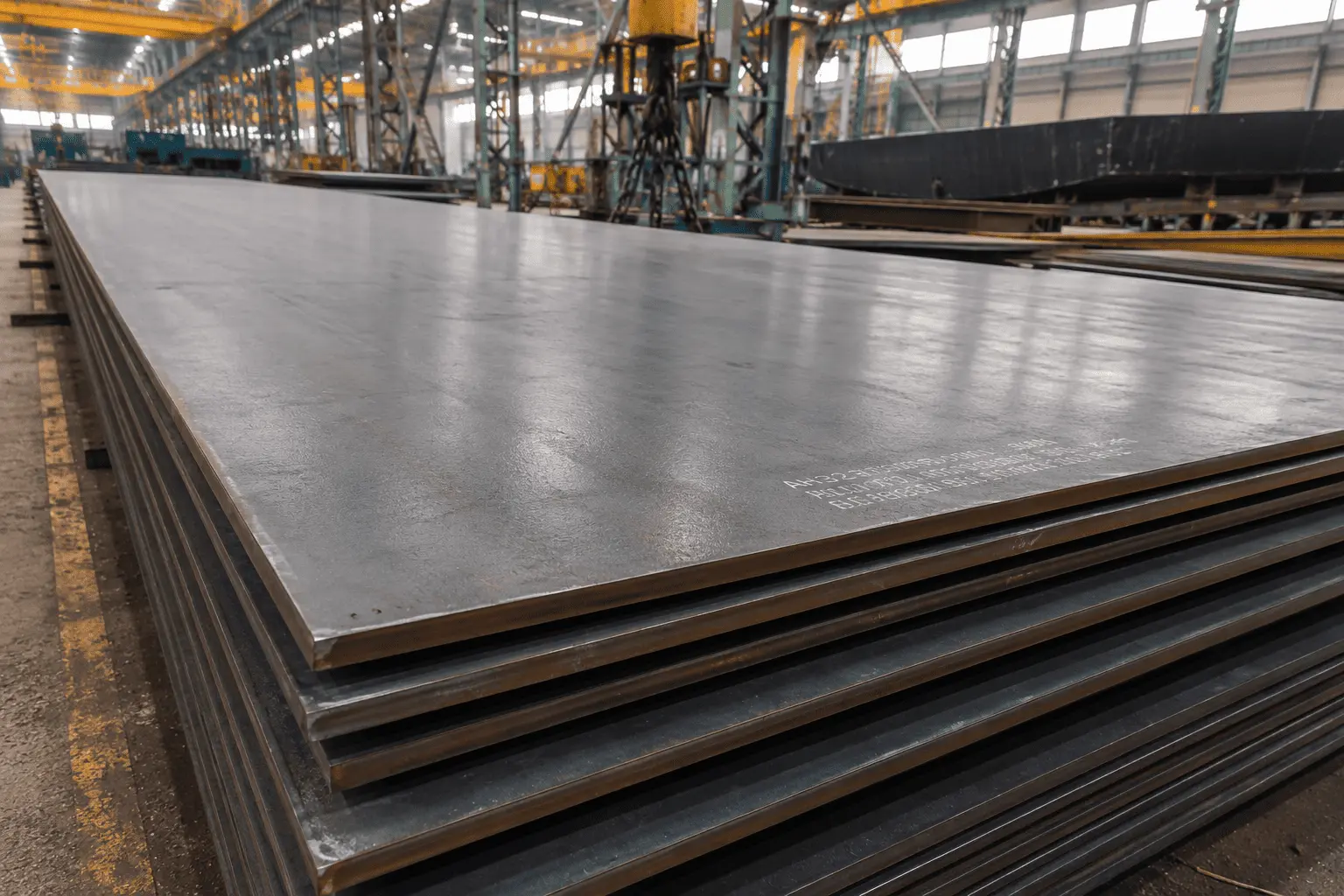
A steel plate serves as the core material in ship construction. Builders shape it into hull sections, decks and internal walls. This plate offers a blend of strength and flexibility, which allows the ship to move with waves without cracking.
Common uses include:
- Hull framing and outer shell
- Deck plating
- Bulkheads that divide sections
Shipbuilders rely on these plates to meet safety standards set by marine authorities. Each plate must pass tests for tensile strength and impact resistance before installation.
Offshore Plates
Offshore structures must operate through stormy ocean conditions which include powerful wind forces and substantial equipment weight. An offshore steel plate provides enhanced strength together with improved corrosion protection when compared to conventional marine plates.
These plates serve as construction materials for builders who create oil platforms and wind turbine foundations and deep-sea structures. Offshore plates must endure extreme conditions for many years. These structures receive their design from engineers who create them to handle persistent wave movement and substantial equipment weight.
Understanding EH36 Steel Plates
EH36 steel holds a respected place in marine engineering. Many shipyards choose this grade for its strong balance of strength and toughness. It performs well in both shipbuilding and offshore work.
EH36 offers:
- High tensile strength
- Strong impact resistance in cold climates
- Reliable weldability
- Good resistance to cracking
This steel grade handles low temperatures without losing toughness. Ships that sail in northern waters benefit from this feature. When waves strike the hull with force, EH36 absorbs the shock and protects the structure.
Builders trust EH36 for demanding projects where safety stands as the top priority. Its performance in harsh marine environments makes it a frequent choice for critical ship components.
Key Features of EH36 Steel
High Structural Strength
EH36 supports large loads without bending or breaking. Heavy cargo ships and offshore platforms rely on this strength to stay stable. The steel maintains its shape under pressure, which helps protect both crew and equipment.
Resistance to Corrosion
Saltwater attacks steel over time. EH36 resists this damage better than many lower grades. While protective coatings still play a role, the steel itself offers a solid defence against rust.
Strong Impact Performance
Waves strike vessels with sudden force. EH36 absorbs these impacts and reduces the risk of cracks. This feature proves vital in cold regions where steel can become brittle.
Smooth Welding Capability
Ship construction involves thousands of welded joints. EH36 allows welders to create strong connections without weakening the surrounding metal. Proper welding ensures the entire structure acts as one solid frame.
Range of Sizes
Manufacturers supply EH36 in various thicknesses and dimensions. Builders can select the exact size needed for each section of the vessel. This flexibility supports both small repairs and large construction projects.
Common Uses of EH36 in Shipbuilding
EH36 steel appears in many parts of a vessel and in offshore structures. Engineers select it when strength and safety matter most.
Hull Construction
The hull faces direct contact with water and waves. EH36 strengthens the outer shell and helps the ship endure long sea journeys. It reduces the risk of damage from floating debris or rough weather.
Decks and Bulkheads
Decks must carry cargo and equipment. Bulkheads divide the ship into sections and provide extra support. EH36 delivers the toughness required for these vital areas.
Offshore Platforms
Offshore rigs and platforms operate in harsh conditions. Engineers choose EH36 for structural beams and support sections. The steel withstands pressure from machinery and environmental stress.
Oil and Gas Structures
Pipelines, storage tanks and support frames in marine energy projects demand strong materials. EH36 meets these demands through its durability and resistance to stress.
Standards That Guide Marine Steel
Shipyards require marine steel to satisfy their established quality standards before they will accept the material. The established standards direct the assessment process through their requirements for strength and chemical composition and their testing methods. Certification proves that the plate will deliver its anticipated performance when used in actual operating environments.
Key areas covered by standards include:
- Tensile strength limits
- Impact test results
- Chemical balance
- Welding performance
Certified plates give engineers confidence in the long-term stability of the structure. Proper testing reduces the chance of failure during operation at sea.
Welding and Handling Marine Steel Plates
Welding forms the backbone of ship assembly. Builders must follow clear procedures to protect the steel’s strength.
Preheating
Thicker plates require preheating before welding. Heat removes moisture and reduces the risk of cracking. Workers control the temperature carefully to maintain metal quality.
Choice of Filler Material
Low-hydrogen fillers help prevent cracks in welded joints. Welders select materials that match the steel grade to ensure strong bonds.
Controlled Cooling
After welding, the steel must cool at a steady rate. Sudden temperature changes can create stress within the metal. Careful cooling keeps the structure stable.
Good welding practice preserves the strength of the plate and protects the ship from future defects.
Benefits of Marine Steel Plates
Marine steel plates provide long-term value when chosen wisely. Builders gain several advantages from high-quality material.
- Longer service life in harsh conditions
- Reduced maintenance needs
- Greater safety for crew and cargo
- Strong performance under pressure
A dependable plate supports every part of the vessel. It helps the ship operate safely and efficiently over many years.
Choosing the Right Steel for Your Project
Selecting the correct steel depends on project demands. Builders must consider the environment, load and design. A steel ship plate suits most standard vessels, while offshore projects require stronger grades such as EH36.
Engineers study:
- Exposure to saltwater
- Temperature range
- Structural load
- Welding method
When builders align material choice with project needs, they create vessels that endure both time and tide.
Final Thoughts
Shipbuilding demands materials that stand firm against pressure, waves and corrosion. Steel plates form the heart of every vessel and offshore structure. EH36 steel rises as a trusted option for projects that require strength and toughness in demanding environments.
By choosing the right grade and following proper welding practices, builders craft ships that sail safely across the world’s oceans. Strong steel protects lives, cargo and investments. In marine construction, the right choice of material shapes the success of the entire project.